
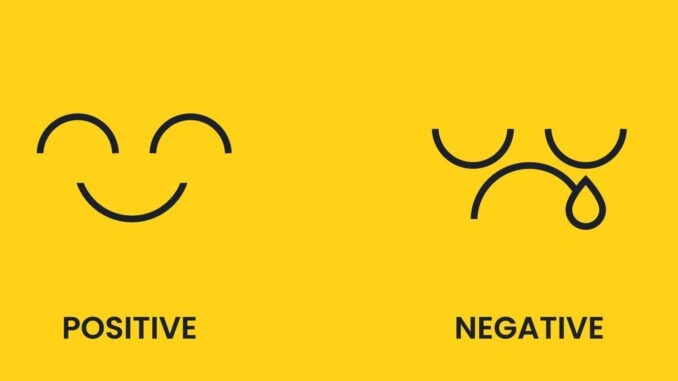
Commonly Used Antonyms in English or (Opposite Words)
Learning commonly used antonyms in English is one of the fastest ways to improve vocabulary. Antonyms help learners understand meanings clearly by showing opposite ideas. Whether you are a student, competitive exam aspirant, teacher, or English learner, knowing antonyms improves speaking, writing, reading comprehension, and confidence.
In this detailed guide, you will find 500 commonly used antonyms in English, arranged in an easy-to-learn format. These antonyms are used in daily conversation, exams, essays, grammar tests, and professional communication. This article is written in simple English, making it ideal for beginners and advanced learners alike.
Why Learning Antonyms or opposite words Is Important
Understanding commonly used antonyms in English helps you:
- Express ideas more clearly
- Improve sentence variety
- Score better in competitive exams
- Understand passages faster
- Speak English confidently
Antonyms are frequently asked in SSC, UPSC, PSC, Banking, IELTS, TOEFL, and school exams.
Antonyms are words that have opposite meanings.
Examples:
- Hot ↔ Cold
- Happy ↔ Sad
- Big ↔ Small
Learning antonyms in pairs helps your brain remember vocabulary faster.
How to Use This List of Commonly Used Antonyms in English
- Read 10–20 pairs daily
- Use them in sentences
- Revise weekly
- Practice MCQs and sentence formation
500 Commonly Used Antonyms in English (Complete List)
1–50: Basic Daily Use Antonyms
- Accept – Reject
- Above – Below
- Alive – Dead
- All – None
- Always – Never
- Angry – Calm
- Arrive – Depart
- Awake – Asleep
- Bad – Good
- Beautiful – Ugly
- Begin – End
- Big – Small
- Bitter – Sweet
- Brave – Cowardly
- Bright – Dark
- Buy – Sell
- Clean – Dirty
- Close – Open
- Cold – Hot
- Come – Go
- Correct – Wrong
- Cry – Laugh
- Day – Night
- Deep – Shallow
- Dry – Wet
- Early – Late
- Easy – Difficult
- Empty – Full
- Enter – Exit
- Fast – Slow
- Fat – Thin
- First – Last
- Free – Busy
- Fresh – Stale
- Friend – Enemy
- Give – Take
- Happy – Sad
- Hard – Soft
- Heavy – Light
- High – Low
- Hope – Despair
- In – Out
- Inside – Outside
- Kind – Cruel
- Laugh – Cry
- Left – Right
- Long – Short
- Loud – Quiet
- Love – Hate
- New – Old
51–150: Commonly Used Antonyms in English for Students
- Near – Far
- Open – Closed
- Poor – Rich
- Public – Private
- Quick – Slow
- Rise – Fall
- Safe – Dangerous
- Sharp – Blunt
- Simple – Complex
- Start – Finish
- Strong – Weak
- Success – Failure
- Tall – Short
- True – False
- Win – Lose
- Young – Old
- Active – Lazy
- Ancient – Modern
- Artificial – Natural
- Bless – Curse
- Broad – Narrow
- Calm – Angry
- Cheap – Expensive
- Clever – Foolish
- Comfort – Discomfort
- Create – Destroy
- Dark – Light
- Dense – Sparse
- Down – Up
- Dull – Interesting
- Easy – Hard
- Empty – Filled
- Expand – Contract
- Fair – Unfair
- Famous – Unknown
- Flexible – Rigid
- Formal – Informal
- Gain – Lose
- Generous – Mean
- Gentle – Rough
- Honest – Dishonest
- Include – Exclude
- Increase – Decrease
- Innocent – Guilty
- Joy – Sorrow
- Knowledge – Ignorance
- Legal – Illegal
- Maximum – Minimum
- Normal – Abnormal
- Obey – Disobey
151–300: Competitive Exam Useful Antonyms
- Absent – Present
- Advance – Retreat
- Agree – Disagree
- Allow – Forbid
- Ancient – Recent
- Attack – Defend
- Attractive – Repulsive
- Bold – Timid
- Careful – Careless
- Combine – Separate
- Common – Rare
- Construct – Demolish
- Credit – Debit
- Cruel – Kind
- Defeat – Victory
- Demand – Supply
- Domestic – Foreign
- Drought – Flood
- Expand – Shrink
- Famous – Obscure
- Flexible – Stiff
- Forward – Backward
- Guilty – Innocent
- Harm – Benefit
- Hostile – Friendly
- Import – Export
- Justice – Injustice
- Majority – Minority
- Natural – Artificial
- Positive – Negative
- Possible – Impossible
- Power – Weakness
- Praise – Criticize
- Profit – Loss
- Protect – Attack
- Rare – Common
- Reject – Accept
- Reward – Punish
- Silent – Noisy
- Smooth – Rough
- Stable – Unstable
- Success – Defeat
- Superior – Inferior
- Temporary – Permanent
- Truth – Lie
- Unity – Division
- Urban – Rural
- Visible – Invisible
- Voluntary – Compulsory
- Wisdom – Foolishness
301–500: Advanced & Daily Writing Antonyms
- Admire – Detest
- Ancient – Modern
- Artificial – Genuine
- Bliss – Misery
- Bold – Shy
- Cautious – Reckless
- Civil – Rude
- Confident – Doubtful
- Constructive – Destructive
- Delight – Disgust
- Eager – Reluctant
- Efficient – Inefficient
- Elaborate – Simple
- Elegant – Clumsy
- Encourage – Discourage
- Essential – Optional
- Excess – Scarcity
- Faith – Doubt
- Fertile – Barren
- Fragile – Strong
- Glorious – Shameful
- Gradual – Sudden
- Harmful – Helpful
- Host – Guest
- Ideal – Real
- Innocent – Corrupt
- Inspire – Demotivate
- Joyful – Miserable
- Lenient – Strict
- Loyal – Disloyal
- Mature – Immature
- Modest – Proud
- Native – Foreign
- Optimistic – Pessimistic
- Permanent – Temporary
- Polite – Impolite
- Praise – Blame
- Prosperity – Poverty
- Random – Planned
- Rational – Irrational
- Respect – Disrespect
- Rigid – Flexible
- Secure – Unsafe
- Sincere – Insincere
- Skilled – Unskilled
- Strength – Weakness
- Sufficient – Insufficient
- Tidy – Messy
- Tolerant – Intolerant
- Transparent – Opaque
- Triumph – Defeat
- Trust – Distrust
- Useful – Useless
- Vacant – Occupied
- Vague – Clear
- Valid – Invalid
- Victim – Winner
- Virtue – Vice
- Visible – Hidden
- Wealth – Poverty
- Willing – Unwilling
- Wise – Foolish
- Zeal – Apathy
- Animate – Inanimate
- Appear – Disappear
- Approve – Disapprove
- Arrogant – Humble
- Artificial – Natural
- Ascend – Descend
- Assert – Deny
- Audible – Inaudible
- Aware – Unaware
- Barbarous – Civilized
- Benevolent – Malevolent
- Blunt – Sharp
- Boast – Humble
- Brief – Lengthy
- Broad – Limited
- Capable – Incapable
- Captive – Free
- Careful – Negligent
- Certain – Uncertain
- Cheap – Costly
- Cheerful – Gloomy
- Clear – Confusing
- Coarse – Fine
- Combine – Divide
- Comfort – Distress
- Conceal – Reveal
- Concrete – Abstract
- Consent – Refuse
- Courage – Fear
- Credit – Blame
- Curable – Incurable
- Decline – Accept
- Definite – Indefinite
- Deliberate – Accidental
- Despair – Hope
- Diligent – Lazy
- Diminish – Increase
- Discreet – Indiscreet
- Disloyal – Loyal
- Domestic – Wild
- Doubt – Believe
- Economical – Wasteful
- Elastic – Rigid
- Eligible – Ineligible
- Emigrate – Immigrate
- Encourage – Suppress
- Equal – Unequal
- Esteem – Disrespect
- Exact – Approximate
- Excessive – Moderate
- Expand – Reduce
- External – Internal
- Faithful – Unfaithful
- Fatal – Harmless
- Feeble – Strong
- Fertile – Sterile
- Fixed – Variable
- Flattery – Criticism
- Foolproof – Risky
- Frequent – Rare
- Frugal – Extravagant
- Genuine – Fake
- Gratitude – Ingratitude
- Gross – Net
- Healthy – Sick
- Honest – Corrupt
- Humid – Dry
- Idle – Active
- Impartial – Biased
- Improve – Worsen
- Inferior – Superior
- Intentional – Unintentional
- Jealous – Trusting
- Junior – Senior
- Lethal – Harmless
- Logical – Illogical
- Luxurious – Simple
- Major – Minor
- Mild – Severe
- Natural – Synthetic
- Neglect – Care
- Nocturnal – Diurnal
- Obscure – Clear
- Passive – Active
- Permanent – Temporary
- Plentiful – Limited
- Predictable – Unpredictable
- Prevent – Allow
- Private – Public
- Progress – Decline
- Prompt – Delayed
- Pure – Impure
- Qualified – Unqualified
- Rare – Abundant
- Rational – Emotional
- Relax – Tense
- Relevant – Irrelevant
- Rough – Polished
- Rude – Courteous
- Secure – Vulnerable
- Selfish – Selfless
- Shallow – Profound
- Stable – Fragile
- Strict – Lenient
- Subtle – Obvious
- Superior – Subordinate
- Swift – Sluggish
- Tender – Harsh
- Transparent – Cloudy
- Unanimous – Divided
- Upright – Corrupt
- Useful – Worthless
- Vacant – Filled
- Valid – Void
- Vertical – Horizontal
- Vigorous – Weak
- Visible – Concealed
- Voluntary – Forced
- Warm – Cool
- Wealthy – Needy
- Willing – Reluctant
- Wise – Ignorant
- Worthy – Unworthy
- Yield – Resist
- Youth – Age
- Zealous – Indifferent
- Zenith – Nadir
- Alive – Unconscious
- Calm – Turbulent
- Empty – Occupied
- Friendly – Hostile
- Guilty – Blameless
- Hopeful – Hopeless
- Minor – Major
- Optimist – Pessimist
- Rough – Smooth
- Victory – Defeat
Tips to Remember Commonly Used Antonyms in English
- Learn 10 pairs daily
- Use them in sentences
- Revise weekly
- Practice opposites while reading
Mastering commonly used antonyms in English is a powerful step toward fluency. This list of 500 antonyms helps you build vocabulary naturally and effectively. Use this guide daily, and you will see visible improvement in your English speaking, writing, and exam performance. Bookmark this page on Grammalish.com and revise regularly.
Now see the list of same words or synonyms lists to get more vocabulary>Synonyms in English with Examples – Easy Guide for Beginners and learn English grammar easily >10 Days English Grammar Study Plan: Learn Grammar Easily Step by Step
Leave a Reply