
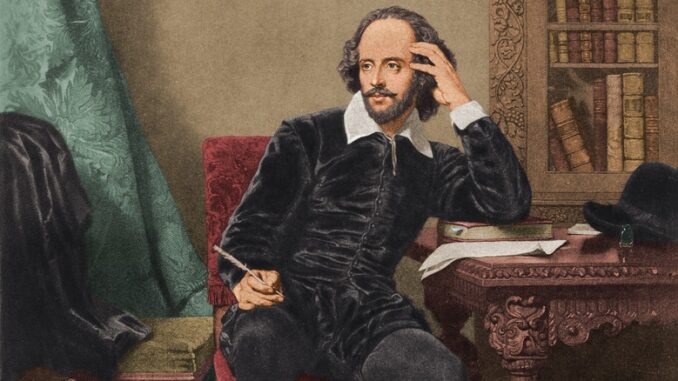
William Shakespeare is one of the greatest writers in the history of the world. Even after more than four hundred years, people across the globe read, perform, and study his works. His plays and poems are part of school and college syllabi, competitive exams, and world literature courses.
This article explains William Shakespeare’s works and contribution to English literature in simple English. It is written for students, teachers, beginners, and literature lovers who want a clear and easy understanding of Shakespeare’s importance.
If you are searching for a complete, exam-friendly, and reader-friendly guide, this article will help you.
Who Was William Shakespeare?
William Shakespeare was born in 1564 in Stratford-upon-Avon, England. He was a playwright, poet, and actor. He lived during the Elizabethan age, a golden period of English literature.
Shakespeare died in 1616, but his writings continue to live forever. Because of his lasting influence, he is often called “The Bard of Avon.”
Why William Shakespeare Is Important in English Literature
Understanding William Shakespeare’s works and contribution to English literature is important because:
- He shaped modern English drama
- He enriched the English language
- He created unforgettable characters
- He explored universal human emotions
- His works are studied worldwide
No other writer has influenced English literature as deeply as Shakespeare.
Overview of William Shakespeare’s Works
William Shakespeare wrote:
- 37 plays
- 154 sonnets
- Narrative poems
His works are generally divided into three main categories:
- Plays
- Poems
- Sonnets
William Shakespeare’s Plays – Main Categories
Shakespeare’s plays are divided into four major groups:
- Tragedies
- Comedies
- Histories
- Romances (Last plays)
Let us look at each category clearly.
1. Tragedies by William Shakespeare
Tragedies show serious events, human suffering, and tragic endings. Most tragedies end with the death of the hero.
Major Tragedies of Shakespeare
- Hamlet
- Macbeth
- Othello
- King Lear
- Romeo and Juliet
- Julius Caesar
- Antony and Cleopatra
Features of Shakespearean Tragedy
- A tragic hero with a flaw
- Conflict between good and evil
- Emotional depth
- Powerful language
- Tragic ending
👉 Example:
In Hamlet, the hero’s flaw is indecision.
In Macbeth, the flaw is ambition.
These tragedies are an important part of William Shakespeare’s works and contribution to English literature.
2. Comedies by William Shakespeare
Comedies are light-hearted plays with humor, love, confusion, and happy endings.
Famous Comedies of Shakespeare
- As You Like It
- The Merchant of Venice
- A Midsummer Night’s Dream
- Twelfth Night
- Much Ado About Nothing
- The Comedy of Errors
Features of Shakespearean Comedy
- Love and romance
- Disguises and mistaken identity
- Humour and wit
- Happy ending
👉 The Merchant of Venice is both a comedy and a serious play because it discusses justice and mercy.
3. Historical Plays (Histories)
Historical plays deal with English kings and historical events.
Shakespeare’s History Plays
- Richard II
- Richard III
- Henry IV (Part 1 & 2)
- Henry V
- Henry VI (Part 1, 2 & 3)
- King John
Importance of History Plays
- Show English history
- Explore leadership and power
- Reflect political ideas
These plays helped shape national identity and are a key part of William Shakespeare’s contribution to English literature.
4. Romances (Last Plays)
Romances are Shakespeare’s final plays. They combine tragedy and comedy with forgiveness and reconciliation.
Famous Romances
- The Tempest
- The Winter’s Tale
- Cymbeline
- Pericles
Special Features
- Magic and fantasy
- Lost and reunited families
- Forgiveness instead of revenge
👉 The Tempest is often considered Shakespeare’s farewell to theatre.
Shakespeare’s Poems and Sonnets
Apart from plays, Shakespeare also wrote beautiful poems and sonnets.
Narrative Poems by Shakespeare
- Venus and Adonis
- The Rape of Lucrece
These poems were very popular during Shakespeare’s lifetime.
Shakespeare’s Sonnets
Shakespeare wrote 154 sonnets. A sonnet is a 14-line poem written in iambic pentameter.
Themes of Shakespeare’s Sonnets
- Love
- Time
- Beauty
- Friendship
- Mortality
Special Features of Shakespearean Sonnet
- 14 lines
- Rhyme scheme: ABAB CDCD EFEF GG
- Final rhyming couplet
Shakespeare’s sonnets are a major part of William Shakespeare’s works and contribution to English literature.
Shakespeare’s Contribution to the English Language
One of the greatest contributions of Shakespeare is to the English language itself.
Words Coined or Popularised by Shakespeare
- Beautiful
- Lonely
- Manager
- Generous
- Comfortable
Common Phrases by Shakespeare
- Break the ice
- Wild-goose chase
- Heart of gold
- In a pickle
- All that glitters is not gold
These expressions are still used today, proving Shakespeare’s lasting influence.
Shakespeare’s Characters – Timeless Creations
Shakespeare created characters that feel real and human, even today.
Famous Characters
- Hamlet – thoughtful and troubled
- Macbeth – ambitious and guilty
- Lady Macbeth – powerful and ruthless
- Shylock – complex and emotional
- Portia – intelligent and wise
These characters represent universal human emotions, which is a key reason for Shakespeare’s greatness.
Themes in Shakespeare’s Works
Common themes found in William Shakespeare’s works and contribution to English literature include:
- Love and hate
- Power and ambition
- Good and evil
- Appearance vs reality
- Fate and free will
- Mercy and justice
These themes make his works relevant in every age.
Shakespeare’s Style of Writing
Shakespeare’s writing style is unique and powerful.
Key Features
- Blank verse (unrhymed iambic pentameter)
- Rich imagery
- Use of metaphors and similes
- Wordplay and puns
- Soliloquies
👉 Famous soliloquy:
“To be, or not to be” – Hamlet
Why Shakespeare Is Still Studied Today
Shakespeare is still studied because:
- His themes are universal
- His characters are realistic
- His language shaped modern English
- His works suit stage, film, and literature
That is why William Shakespeare’s works and contribution to English literature remain timeless.
Shakespeare in Education and Exams
Shakespeare’s works are included in:
- School textbooks
- University syllabi
- Competitive exams
- NET, SET, and literature courses
Plays like Macbeth, Hamlet, The Merchant of Venice, and sonnets are commonly asked.
Global Influence of William Shakespeare
Shakespeare’s works are:
- Translated into many languages
- Performed worldwide
- Adapted into movies and novels
No other English writer has such global recognition.
Complete List of William Shakespeare’s Works
1. Tragedies (11)
- Hamlet
- Macbeth
- Othello
- King Lear
- Romeo and Juliet
- Julius Caesar
- Antony and Cleopatra
- Coriolanus
- Titus Andronicus
- Timon of Athens
- Troilus and Cressida
2. Comedies (14)
- The Comedy of Errors
- The Taming of the Shrew
- The Two Gentlemen of Verona
- Love’s Labour’s Lost
- A Midsummer Night’s Dream
- The Merchant of Venice
- Much Ado About Nothing
- As You Like It
- Twelfth Night
- The Merry Wives of Windsor
- All’s Well That Ends Well
- Measure for Measure
- Pericles, Prince of Tyre
- The Tempest
3. History Plays (10)
- King John
- Richard II
- Henry IV, Part 1
- Henry IV, Part 2
- Henry V
- Henry VI, Part 1
- Henry VI, Part 2
- Henry VI, Part 3
- Richard III
- Henry VIII
4. Romances / Late Plays (4)
- Cymbeline
- The Winter’s Tale
- The Tempest
- The Two Noble Kinsmen (collaboration)
5. Narrative Poems (2)
- Venus and Adonis
- The Rape of Lucrece
6. Sonnets (154)
- Shakespeare’s Sonnets (154 poems)
7. Other Poems
- The Phoenix and the Turtle
- A Lover’s Complaint
📌 Summary
- Plays: 39 (including collaborations)
- Tragedies: 11
- Comedies: 14
- Histories: 10
- Romances: 4
- Sonnets: 154
- Narrative & Short Poems: 4
William Shakespeare is the backbone of English literature. His plays, poems, and sonnets continue to influence readers, writers, and thinkers across the world. His understanding of human nature, emotions, and society makes his works timeless.
Understanding William Shakespeare’s works and contribution to English literature helps students appreciate not only literature but also life itself. Even today, Shakespeare speaks to us through his words.
👉 Shakespeare is not just a writer of the past; he is a voice for all times.
Leave a Reply