
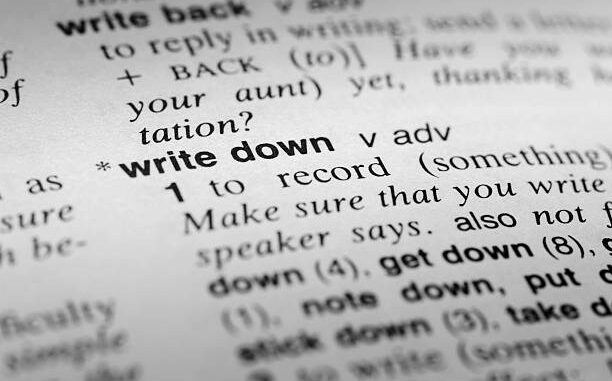
Phrasal verbs are an important part of English. Native speakers use them every day while speaking and writing. If you want to improve your spoken English, writing skills, or exam performance, learning common phrasal verbs with meanings is essential.
In this blog post, you will learn the most useful and commonly used phrasal verbs, explained in simple English, with clear meanings. This guide is perfect for students, beginners, teachers, and anyone learning English as a second language.
What Are Phrasal Verbs?
A phrasal verb is a combination of a verb and a preposition or adverb.
👉 Example:
- Give up
- Look after
- Turn on
The meaning of a phrasal verb is often different from the meaning of the individual words. That is why learners must study common phrasal verbs with meanings carefully.
Why Learning Common Phrasal Verbs with Meanings Is Important
Learning common phrasal verbs with meanings helps you to:
- Speak natural and fluent English
- Understand movies, news, and conversations
- Score better in school and competitive exams
- Improve writing skills
- Sound confident in interviews
Phrasal verbs are frequently used in spoken English, informal writing, exams, and daily conversations.
How to Learn Phrasal Verbs Easily
Before going to the list, follow these tips:
- Learn phrasal verbs in context
- Use them in simple sentences
- Revise them daily
- Practice speaking aloud
Now, let us move to the English phrasal verbs list.
50 Common Phrasal Verbs with Meanings
Phrasal Verbs for Daily Use (1–25)
- Wake up – Stop sleeping
- Get up – Rise from bed
- Sit down – Take a seat
- Stand up – Rise to your feet
- Turn on – Start a machine
- Turn off – Stop a machine
- Look at – See something
- Look for – Try to find
- Look after – Take care of
- Look into – Investigate
- Give up – Stop trying
- Go on – Continue
- Come back – Return
- Run away – Escape
- Pick up – Lift or collect
- Put down – Place something
- Take off – Remove or leave
- Put on – Wear clothes
- Call up – Phone someone
- Find out – Discover
- Bring up – Mention or raise
- Carry on – Continue
- Come in – Enter
- Go out – Leave home
- Break down – Stop working
Common Phrasal Verbs Used in Spoken English (26–50)
- Get along – Have a good relationship
- Get over – Recover from
- Give in – Surrender
- Hold on – Wait
- Keep on – Continue doing
- Make up – Invent or reconcile
- Put off – Postpone
- Set up – Arrange or start
- Show up – Appear
- Take up – Start a hobby
- Turn up – Appear or increase
- Turn down – Reject or reduce
- Work out – Solve or exercise
- Check out – Examine
- Fill in – Complete a form
- Hand in – Submit
- Hand out – Distribute
- Pass away – Die
- Go through – Experience
- Come across – Find by chance
- Bring about – Cause
- Cut down – Reduce
- Run out of – Have no more
- Put up with – Tolerate
- Look forward to – Expect happily
More Useful Phrasal Verbs for Students (51–75)
- Back out – Withdraw
- Break out – Start suddenly
- Call off – Cancel
- Carry out – Perform a task
- Catch up – Reach the same level
- Clear up – Clean or explain
- Come up with – Produce an idea
- Cut off – Disconnect
- Drop out – Leave school or course
- End up – Finally reach
- Fall apart – Break into pieces
- Get back – Return
- Give away – Donate
- Go ahead – Proceed
- Hold back – Stop oneself
- Keep up – Continue at same speed
- Leave out – Exclude
- Move on – Continue life
- Pass out – Lose consciousness
- Pick out – Choose
- Put away – Store
- Set off – Start a journey
- Slow down – Reduce speed
- Take back – Return
- Turn into – Become
Advanced but Common Phrasal Verbs (76–100)
- Account for – Explain
- Bear with – Be patient
- Break into – Enter forcibly
- Call for – Require
- Carry on with – Continue something
- Come down with – Become ill
- Cut out – Stop doing
- Do away with – Remove completely
- Fall behind – Lag
- Get through – Finish or contact
- Give up on – Stop believing
- Look down on – Think less of
- Make up for – Compensate
- Put forward – Suggest
- Run into – Meet unexpectedly
- See off – Say goodbye
- Sort out – Arrange properly
- Stick to – Continue without change
- Take over – Control
- Talk over – Discuss
- Throw away – Discard
- Turn out – Result
- Wear out – Become useless
- Work on – Improve
- Zoom in – Focus closely
How to Use Common Phrasal Verbs with Meanings in Daily Life
To master common phrasal verbs with meanings, follow these steps:
- Learn 3–5 phrasal verbs daily
- Make your own sentences
- Use them in speaking practice
- Revise weekly
Phrasal verbs are very important for spoken English fluency.
Benefits of Learning Common Phrasal Verbs
- Better communication
- Natural English speaking
- Higher exam scores
- Confidence in interviews
- Improved listening skills
Learning phrasal verbs and meanings in English makes your language strong and effective.
This complete guide on common phrasal verbs with meanings will help you speak English confidently and naturally. These phrasal verbs are widely used in daily conversation, exams, and writing. Practice them regularly and you will see a big improvement in your English.
Save this page, revise often, and use phrasal verbs in your daily speech.
Leave a Reply