
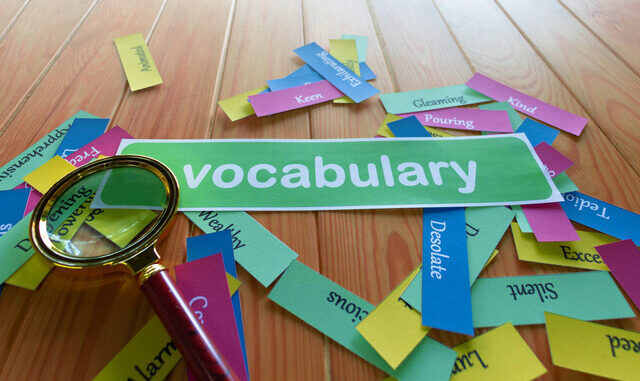
Learning English becomes simple when you start with the right foundation. That foundation is vocabulary. The more words you know, the easier it becomes to understand sentences, speak confidently, and build good communication skills. In this article, you will learn basic English vocabulary for beginners, explained in a simple and friendly way. The guide includes meaning-based categories, examples, and easy learning tips that help you grow your vocabulary fast.
This detailed post is written in simple English so that every learner can understand it clearly. With SEO-friendly headings and well-placed keywords, this article is perfect for learners, teachers, and bloggers who want high-quality educational content.
Why Basic Vocabulary Matters for Beginners
Vocabulary is the heart of any language. When beginners learn the most common and useful words, they quickly understand conversations, read simple texts, and make small sentences.
Here is why basic English vocabulary for beginners is extremely important:
- It helps you form correct sentences.
- It makes speaking and writing easier.
- It improves your confidence.
- It builds the base for advanced English.
- It helps you communicate in daily life situations.
Even if you do not know difficult grammar, you can still communicate with the help of simple and essential vocabulary.
1. Basic English Vocabulary for Daily Life
Daily life vocabulary is the most important category for beginners. These are the words you use every day.
Common Daily Life Words
- Morning
- Night
- Breakfast
- Lunch
- Dinner
- Clothes
- Shoes
- Bag
- Mobile
- Water
- House
- Room
- Street
- Market
- School
Example Sentences
- I drink water every morning.
- My mobile is in the bag.
- He is walking to the market.
Learning daily life words helps you speak confidently in simple real-life situations.
2. Basic English Vocabulary for People and Family
Understanding family-related words helps beginners talk about personal life.
Family Vocabulary
- Father
- Mother
- Brother
- Sister
- Son
- Daughter
- Uncle
- Aunt
- Cousin
- Grandfather
- Grandmother
Example Sentences
- My mother is a teacher.
- Her brother lives in another city.
- Our grandfather is very kind.
This basic English vocabulary for beginners helps you express relationships clearly.
3. Basic English Vocabulary for Food and Cooking
Food vocabulary is useful in hotels, kitchens, restaurants, and shops.
Food Words
- Rice
- Bread
- Milk
- Tea
- Coffee
- Sugar
- Salt
- Egg
- Fruit
- Vegetable
- Meat
- Fish
- Oil
- Juice
Example Sentences
- I drink coffee without sugar.
- Vegetables are healthy for the body.
- She is cooking rice for dinner.
4. Basic English Vocabulary for School and Education
Students must learn school-related vocabulary to understand lessons and communicate better.
School Vocabulary
- Teacher
- Student
- Class
- Notebook
- Pen
- Pencil
- Eraser
- Lesson
- Homework
- Exam
- Library
- Subject
Example Sentences
- The teacher is writing on the board.
- I finished my homework yesterday.
- The library has many books.
5. Basic English Vocabulary for Work and Office
Adults and job-seekers need simple work-related vocabulary to communicate professionally.
Workplace Vocabulary
- Job
- Office
- Manager
- Staff
- Meeting
- Computer
- File
- Task
- Salary
- Project
Example Sentences
- I sent an email to my manager.
- The office meeting starts at 10 AM.
- He completed his project on time.
This category of basic English vocabulary for beginners is very helpful for workplace communication.
6. Basic English Vocabulary for Travel and Transport
Beginners often face difficulty while traveling. Learning these words makes travel easier.
Travel Vocabulary
- Bus
- Train
- Taxi
- Airport
- Ticket
- Driver
- Map
- Hotel
- Room
- Luggage
- Passport
Example Sentences
- I booked a train ticket online.
- The taxi driver is waiting outside.
- We stayed in a hotel near the airport.
7. Basic English Vocabulary for Weather and Nature
Weather-related vocabulary helps describe the environment and seasons.
Weather Vocabulary
- Hot
- Cold
- Rain
- Wind
- Cloud
- Sun
- Storm
- Snow
- Summer
- Winter
- Spring
- Autumn
Example Sentences
- It is very hot today.
- The sky is full of clouds.
- Winter is my favourite season.
8. Basic English Vocabulary for Emotions and Feelings
To express your emotions correctly, beginners must learn simple feeling words.
Emotion Vocabulary
- Happy
- Sad
- Angry
- Tired
- Excited
- Afraid
- Worried
- Confident
- Confused
- Relaxed
Example Sentences
- I am happy today.
- She looks worried about the exam.
- He is excited for the trip.
9. Basic English Verbs for Everyday Use
Verbs are the action words that form the core of every sentence. Learning basic verbs is essential for beginners.
Common Verbs
- Go
- Come
- Eat
- Drink
- Write
- Read
- Walk
- Run
- Sit
- Stand
- Sleep
- Talk
- See
- Give
- Take
Example Sentences
- I read a book every night.
- They walk to school.
- Please take this file.
Verbs make speaking natural and meaningful, making them a major part of basic English vocabulary for beginners.
10. Basic English Adjectives Every Beginner Should Know
Adjectives help describe people, objects, and places. They improve the quality of your sentences.
Useful Adjectives
- Big
- Small
- Long
- Short
- Good
- Bad
- New
- Old
- Easy
- Difficult
- Beautiful
- Fast
- Slow
Example Sentences
- This bag is very big.
- The exam was easy.
- She has a beautiful smile.
11. Basic English Vocabulary for Colours and Shapes
Colours and shapes are simple but essential for daily communication.
Colours
- Red
- Blue
- Green
- Black
- White
- Yellow
- Pink
- Brown
- Orange
Shapes
- Circle
- Square
- Triangle
- Rectangle
- Oval
Example Sentences
- My shirt is blue.
- The table is rectangular.
12. Basic English Vocabulary for Time and Numbers
Time and numbers help beginners understand schedules and daily activities.
Time Vocabulary
- Morning
- Afternoon
- Evening
- Night
- Yesterday
- Today
- Tomorrow
- Week
- Month
- Year
Number Vocabulary
- One
- Two
- Three
- Four
- Five
- Ten
- Twenty
- Hundred
- Thousand
Example Sentences
- I will call you tomorrow.
- The class starts at ten.
- He worked here for five years.
13. How to Learn Basic English Vocabulary Easily
Learning vocabulary becomes effective when you follow good learning methods.
Tips to Learn Faster
🔹 Read simple English books
Children’s storybooks are very helpful.
🔹 Use flashcards
You can make your own or use mobile apps.
🔹 Practice with sentences
Never learn words alone—use them in sentences.
🔹 Learn 10 new words daily
Consistency is more important than speed.
🔹 Use new words in real life
Try using new words while speaking or writing.
🔹 Watch English videos
Use subtitles to understand pronunciation.
🔹 Maintain a vocabulary notebook
Write new words, their meanings, and example sentences.
These practical methods help beginners master basic English vocabulary quickly and confidently.
14. Common Mistakes Beginners Make While Learning Vocabulary
Avoid these common mistakes to learn faster:
❌ Memorizing without using words in sentences
❌ Learning too many difficult words at once
❌ Not revising previously learned words
❌ Depending only on translation
❌ Not practicing daily conversations
By avoiding these mistakes, your progress becomes smooth and steady.
15. Practice Exercises for Beginners
Here are simple activities to test your vocabulary:
Exercise 1: Fill in the blanks
- The sky is ______ (blue / eat / tall).
- I will meet you ______ (yesterday / tomorrow / long).
- She is very ______ (happy / juice / phone).
Exercise 2: Match the words
- Happy →
- Milk →
- Train →
- Father →
Exercise 3: Make sentences
Use these words in sentences:
- School
- Beautiful
- Read
- Morning
These exercises help you use basic English vocabulary for beginners practically.
Build Your Vocabulary Step by Step
Learning basic English vocabulary for beginners is the first step toward confident English speaking. When you master essential words, you understand conversations better, read easily, and speak more naturally. Start with simple categories like daily life, family, food, verbs, and adjectives. Practice every day, use the words in sentences, and revise regularly.
Remember, vocabulary grows slowly but steadily. With consistent practice, you will soon see a big improvement in your English skills.
Leave a Reply